
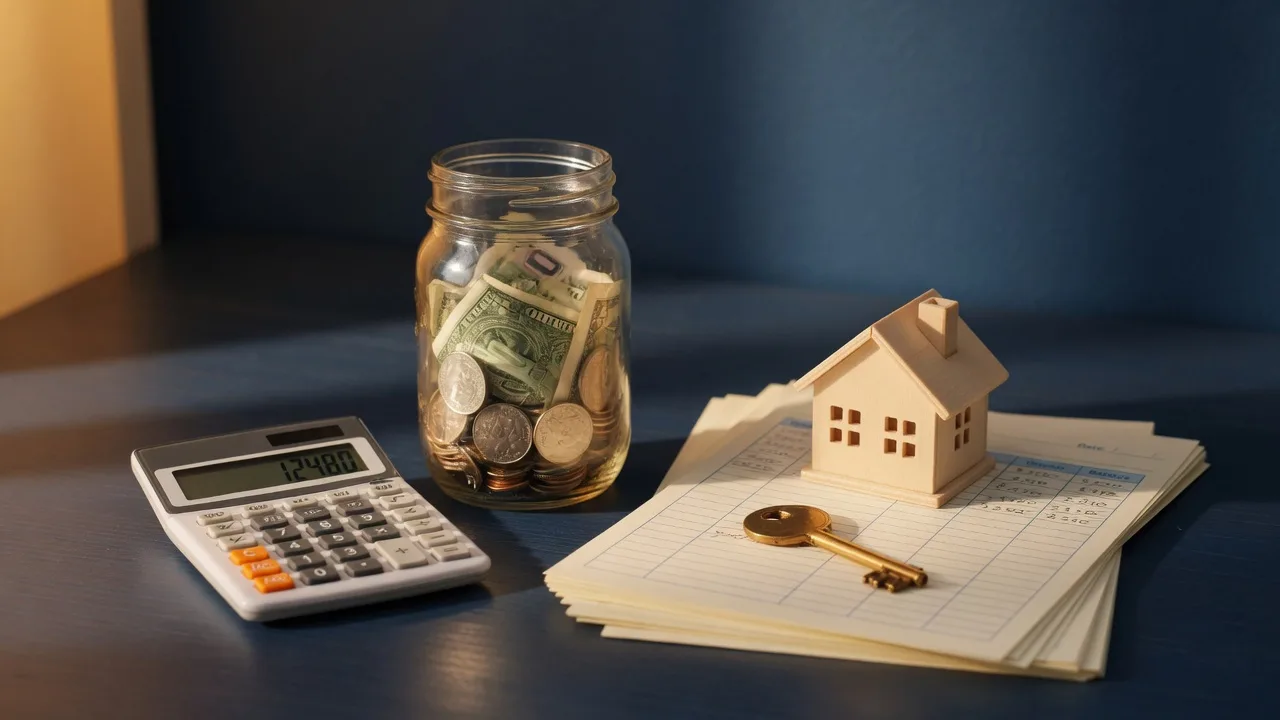
The biggest question first-time buyers bring me is usually not what loan to pick. It is how they will ever get the down payment saved in the first place. Here is the encouraging truth: you do not need to save 20%, you need a plan, and the plan is simpler than most people think.
Start with the real target, not the old rule of thumb
Most people assume a 20% down payment is required. It is not. Conventional loans can start at 3% down, FHA at 3.5%, and VA and USDA loans at 0% for eligible buyers. So before you set a savings goal, know which program fits you, because that decides how much cash you actually need to land. That is a conversation, not a guess, and it is the first thing we do on a call.
The right target is the one that gets you into the monthly payment you can carry, not the biggest number you can stretch toward. Saving for the realistic minimum plus closing costs, with a small buffer on top, beats saving for an ideal that keeps the goal out of reach.
Automate the saving before you feel it
The single most effective move is to pay yourself first. Set up an automatic transfer into a separate savings account the day after each payday, before you spend anything. Money that moves automatically never competes with your regular spending, and a separate account keeps house money separate from everyday money. If the transfer is small but consistent, the habit does the work.
Keep the money safe and easy to reach
Down payment money is not investment money. If you plan to buy within a few years, keep the cash in something safe and liquid, like a high-yield savings account or a money market account. The goal is stability, not growth. Funds you will need for closing should not be riding the stock market, because the month your down payment happens to be down is exactly when you cannot wait for it to recover.
Practice the payment you are about to take on
Here is a move most people never think of: start paying yourself the difference between your rent and your projected mortgage payment. If your rent is $1,700 and the payment on a home you are considering is $2,200, transfer that extra $500 into your house fund every month. You practice living on the new number, and the extra savings lands right in your down payment and closing cost pile. When move-in month arrives, the budget is already trained.
Trim with a purpose, not with guilt
Cutting things is easier when you know why. Look for the subscriptions you do not use, the impulse buys that do not move your life forward, and eating out that has quietly become the default. Every dollar redirected is a dollar closer to the keys, and you can feel the difference in weeks, not years.
Know what counts as a down payment before you apply
Not every dollar in your account counts the same way. The sources lenders accept are documented savings, and in many cases gifts and down payment assistance:
- Gifts from family can fund part or all of your down payment on many programs, as long as they are true gifts with no repayment expected. The full rules are in our guide to gift money.
- Down payment assistance in Oregon and Washington can cover part or all of your down payment and closing costs, often for first-time buyers. It is more common than people realize, and it is worth checking before you decide how much to save. See the down payment assistance page for how it works.
- Retirement accounts can sometimes be used, but the rules are specific and the consequences matter. Talk to a lender before you touch them.
What does not count: borrowed money, credit card cash advances, or large unexplained deposits. Lenders trace funds, so the cleanest savings are the ones with a paper trail, saved a little at a time in your own accounts.
Oregon and Washington each have a local angle
Where you buy changes the savings game. Oregon runs a first-time home buyer savings account program that lets you subtract your contributions on your state taxes, which can stretch every dollar you save. Washington has no state income tax, so the help there comes mostly through down payment assistance programs rather than tax savings. Both are worth knowing before you pick your target, and I check the current details for your side of the river.
When in doubt, check the target early
Here is my honest advice: do not save in the dark. Meet with a lender before you start, so you know the real down payment your program requires, the closing costs to budget alongside it, and the payment that fits your life. Then the savings plan writes itself, with numbers, not wishful thinking.
Saving for a down payment is a math problem with a plan, not a test of discipline with no end in sight. Pick your number, automate it, keep it safe, and let the plan carry you. Let’s look at the numbers together.
Book a call with Jeff or send a message and he will map your exact savings target, closing costs included, before you save your first automatic dollar.