
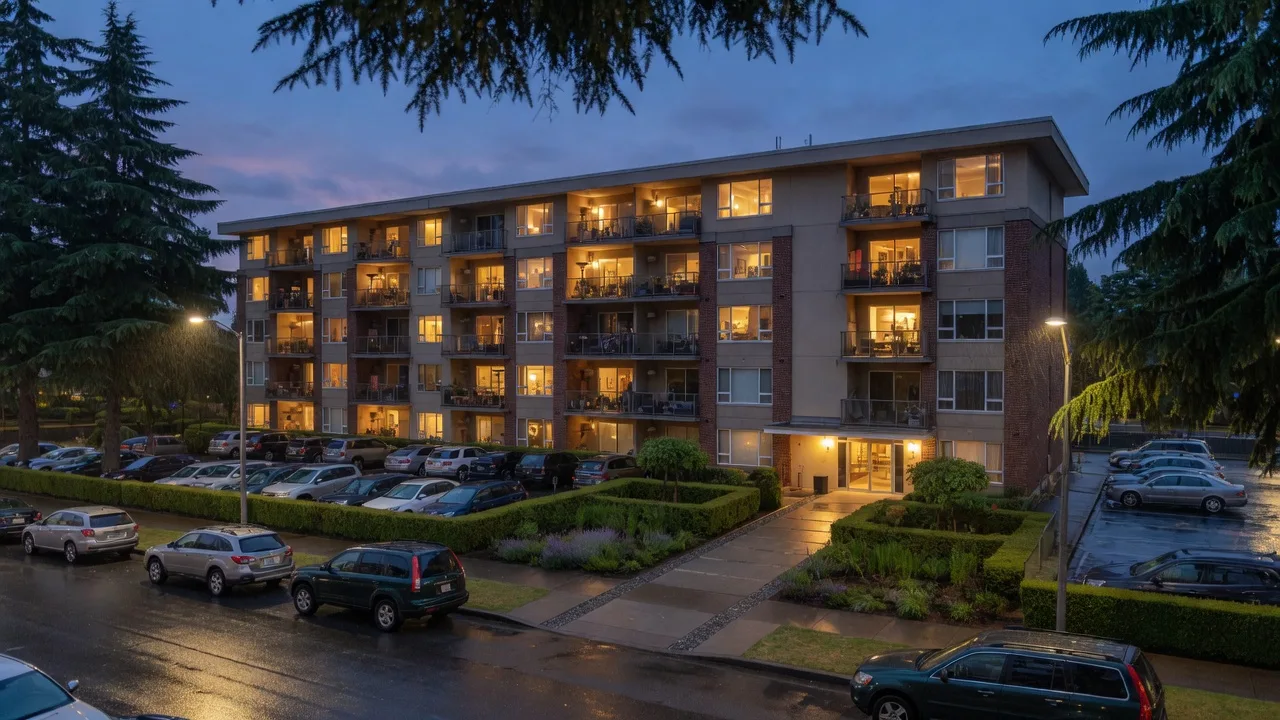
Fannie Mae just made its biggest set of condo financing changes in years, and they touch almost every condo building in the country, including the ones buyers are shopping in the Portland metro and Southwest Washington. The changes were announced in March 2026 through Lender Letter LL-2026-03, coordinated with Freddie Mac and the FHFA, and they roll out in stages through late 2026 and early 2027. Here is what actually changed and what it could mean for the local housing market.
The short version: more condo projects will qualify for financing, investor-heavy buildings get a second life, and condo associations will be held to a higher financial standard. For buyers, that is mostly good news. For owners and HOAs, it means budgeting ahead.
What actually changed
Fannie Mae maintains a list of requirements a condo project must meet before it is “warrantable,” meaning buyers can get conventional financing there. A handful of those requirements just moved:
- Limited Review is gone. As of August 3, 2026, established condo projects can no longer use the streamlined Limited Review path. They now must pass a Full Review, or qualify for a Waiver of Project Review, before buyers can get a Fannie Mae loan in the building.
- The 50% investor rule was retired. Condos where more than half of the units were investor-owned were previously treated as non-warrantable. That limit is now eliminated for established projects reviewed under Full Review, which opens up buildings that were effectively locked out of conventional financing.
- The Waiver of Project Review was expanded. It now covers new and established projects with 10 or fewer units, with a catch: 5 to 10 unit projects cannot be part of a master association or a larger development.
- Reserve funding goes from 10% to 15%. Condo associations must now allocate at least 15% of their annual budgeted assessment income to reserves, up from 10%. This applies to loan applications dated on or after January 4, 2027.
- The commercial space cap stays at 35%. No more than 35% of a project, or of its building, can be commercial or mixed-use space. That rule was reaffirmed, not loosened.
- Critical repairs are defined more strictly. If a project has failed state, county, or other jurisdictional mandatory inspections related to structural safety, soundness, or habitability, that now counts as a critical repair and the project is ineligible until it is fixed.
Insurance requirements were also updated, including deductible and roof coverage rules, which affects which buildings clear the bar.
Two dates that matter
If you are condo shopping, the timeline is worth remembering.
The Limited Review retirement and the investor-rule change were effective August 3, 2026, so they are already in force. That is the change most likely to expand what you can buy today.
The reserve requirement increase does not apply until loan applications dated on or after January 4, 2027. That gives associations a few months to build their budgets, but buyers should expect the stronger reserve standard to show up in HOA dues at some point in 2027.
What this means for condo buyers
Financing options just widened. Every condo building where the HOA had not submitted full project paperwork was effectively off-limits to conventional buyers under the old rules. Now that Limited Review is retired, Fannie Mae’s focus is on the project itself, not the shortcut, which means well-run buildings that were stuck in limbo can move through review and become financeable again.
The retired investor rule matters too. Some of the most affordable buildings in any market are the ones investors have been circling, and those were the least financeable for owner-occupants. With the 50% concentration limit gone, a building with a high share of investor units can now qualify for Full Review, giving first-time buyers and move-up buyers conventional financing in buildings they previously could only buy with harder-to-get loans.
The trade-off is the reserve standard. A 15% reserve floor is a healthier building for everyone: fewer surprise special assessments, a real budget for deferred maintenance. But associations that underfunded reserves for years will need to raise dues to catch up. That is part of your monthly payment math, so ask for the HOA budget and the reserve study before you make an offer, and I will fold the real numbers into your affordability check.
What this means for owners and HOAs
If you own a condo, or sit on a board, this is the part to act on. Projects that have not gone through Full Review should start the paperwork now, because it will only get harder to close sales in a building that is not warrantable. Boards should also compare their current reserve funding against the 15% target before January 2027, because a building that falls short will start showing up as a financing problem for its buyers.
And if your building has any deferred mandatory inspection issues, address them before a buyer’s lender does the review. Under the clarified rules, an outstanding structural certification failure makes the project ineligible until it is resolved.
How this could affect the local market
Condos have quietly been the most affordable entry point in our region, and this change should make them more reachable, not less.
Consider the local numbers. In the Portland metro, the median condo sale price ran around $325,000 in 2025, roughly 40% below the region’s overall median of about $555,000. In Multnomah County, condo prices settled near $300,000 by 2025, about 10% below their 2022 peak. On the Washington side, Clark County’s overall median climbed toward $575,000 through summer 2026, while Vancouver condo listings commonly start in the low $200,000s.
Condos have also been a clear buyer’s market in recent months: around 1,300 condos were listed in the Portland metro in May 2026, with a median list price near $320,000 and about 81 median days on market. That is a lot of inventory sitting in the price band where first-time buyers and downsizers are looking, exactly the group that benefits most from a wider set of financeable buildings.
The likely effect is straightforward. As more condo projects come back on the financing map, more buyers can compete for the inventory that is already there, which should firm up a soft segment of the market. Buildings with healthy reserves and completed reviews become the strongest sellers. Buildings with thin reserves and outstanding inspections will sit longer, and that divide will probably widen over the next year.
There is a secondary effect worth watching. With the investor-concentration limit gone, investors who were priced out of certain buildings may return, and that can tighten inventory in specific complexes. If you are a first-time buyer looking at condos, the smart play is to act while the market still tilts your way, before improved financing pulls more competition into these buildings.
The bottom line
Every rule change like this does the same thing: it moves the line between what is financeable and what is not. This one moves it mostly in the buyer’s direction, as long as the building you are looking at has done its homework.
That is exactly the kind of question I can answer before you fall in love with a listing. I will pull the project review status, check the reserve numbers against the 15% target, and run your full monthly payment, HOA dues and all, before you make an offer. A home is the largest asset most families will ever own, and a condo is no exception.
Let’s look at the numbers. Book a call with Jeff or send a message, and bring the HOA documents with you. If you want the wider market picture first, the August 2026 Portland Metro update has the numbers behind the overall market.