
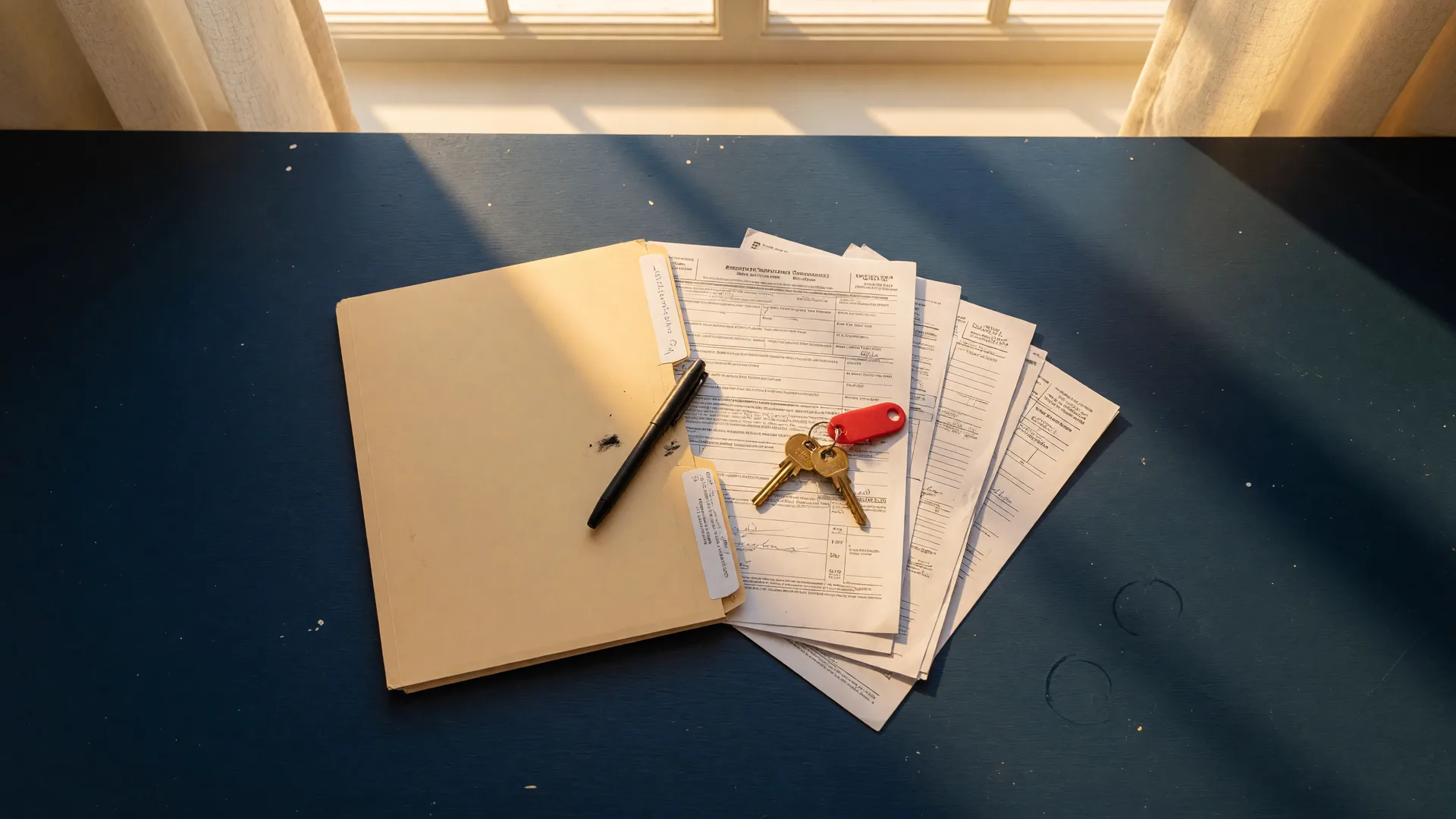
Every homebuyer hears “closing costs” and almost nobody is sure what is inside them. Here is the plain-English version: closing costs are the one-time fees you pay to make the loan and the purchase official, and they are predictable if you know where to look.
What is actually in there
Closing costs are really three buckets of money:
- Lender fees. What the lender charges to process and underwrite your loan, such as an origination fee, an application or processing fee, and sometimes points if you pay them to buy down your rate.
- Third-party fees. The people and services needed to close: the appraisal, the title search and title insurance, the settlement or escrow company, and sometimes recording fees charged by the county or city.
- Prepaids. Money you pay in advance for things you will use soon: property taxes, homeowners insurance, and the interest that accrues between your closing date and your first payment. These are not waste; you would pay them anyway, just over time.
Where you see every dollar
The single most important document you will ever be handed in the mortgage process is the Loan Estimate, the standardized three-page form you should get shortly after applying. It lists every fee, line by line, and it lets you compare two lenders honestly.
If a lender will not put every fee in writing on a Loan Estimate, that is your answer about whether to work with them. In my world, the full breakdown is the starting point, not something you have to fight for at the end.
Planning the number
Closing costs add a real amount to the total cash you need at the table, on top of your down payment. As a common rule of thumb, expect them to run a few percent of the purchase price, though the exact total depends on your loan size, your location, and the fees specific to your area.
Three things change the number meaningfully:
- Seller concessions. When a buyer and seller agree to it, the seller can contribute toward your closing costs. In many areas this is common in purchase agreements.
- Lender credits. You can sometimes raise your rate in exchange for a credit that covers closing costs. This can be a smart trade, or an expensive one depending on how long you plan to stay.
- Which state the home is in. Oregon and Washington have different escrow, title, and tax rules, which means the same loan can carry different fees on the two sides of the river. That is normal, and it is exactly why you ask for the breakdown before, not after, you commit.
When is it due
Closing costs are paid at the closing table, alongside your down payment, when you sign the final documents and receive the keys. That means the money needs to be in your account, and its source documented, before the big day. Deposits that arrive late or without a paper trail are among the most common causes of a delayed close.
Most buyers know the exact total weeks earlier because it sits on their Closing Disclosure, the final version of the estimate, which you should read line by line. If any fee looks wrong, we fix it before the walkthrough, not at the table.
Closing costs are not a hidden gotcha. They are a known quantity, list every time, and money you can plan for months in advance. Let’s build your full purchase budget on the first call, down payment and closing costs included, so nothing surprises you at the end.
Book a call with Jeff or send a message and he will walk you through the complete cost picture in writing, before you ever see a house.